If you are looking at a cluttered Ladywell property and wondering what a proper before-and-after...
Waste Disposal Lewisham provides a complete garden waste removal service for homes, landlords and businesses throughout Lewisham. Whether you are tidying a small courtyard, clearing an overgrown back garden, or managing regular green waste from a larger property, our team collects, loads and removes everything quickly and responsibly.
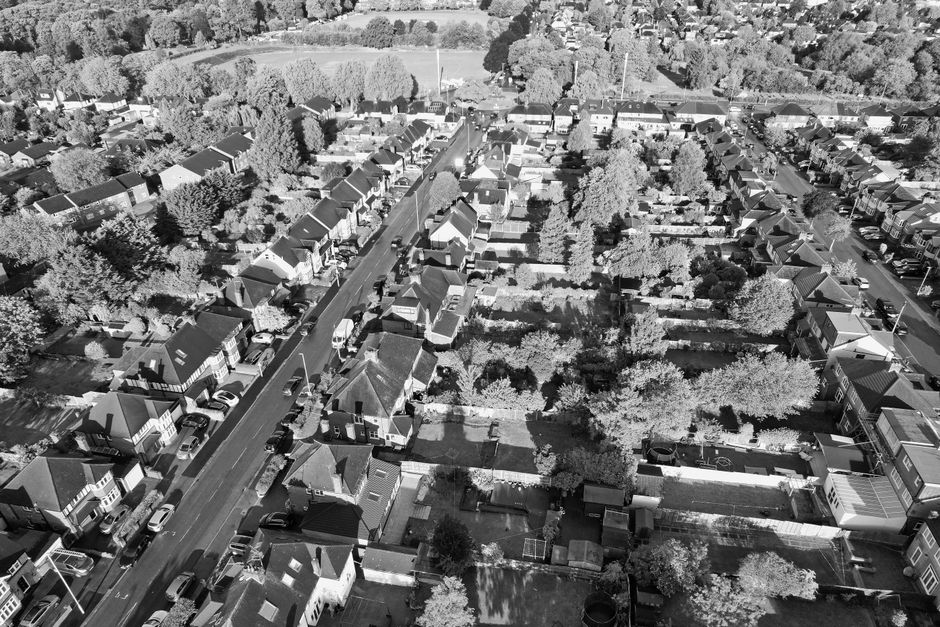
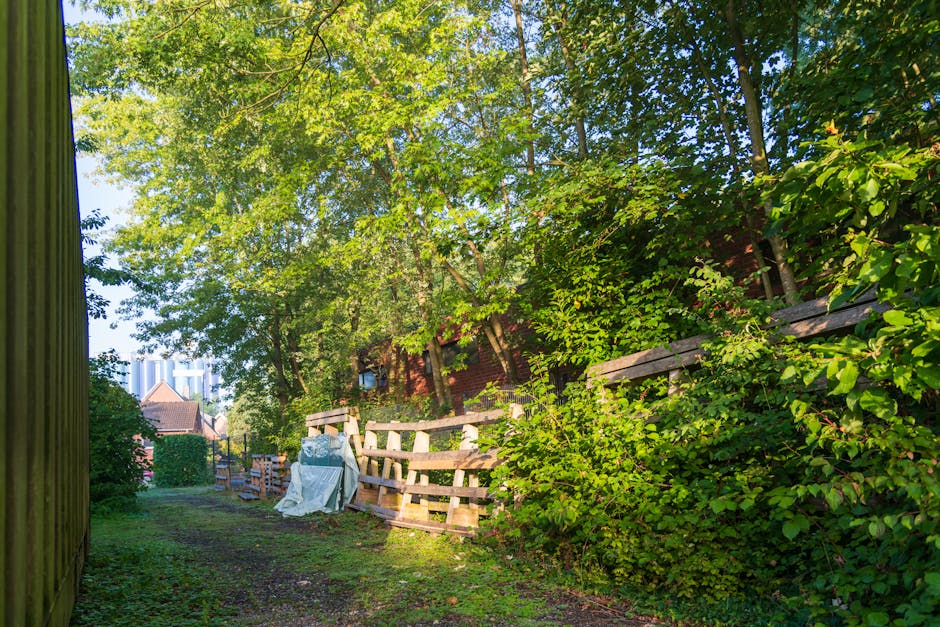
We understand how fast garden waste can build up when you prune, mow or landscape. Our garden clearance service is designed to give you your outdoor space back, without the hassle of arranging skips or multiple council collections. We work across the whole borough, from the residential streets around Hither Green and Ladywell to the green fringes near Grove Park and Blackheath.
Our green waste collection area covers the whole of Lewisham and the surrounding neighbourhoods. If your property is in or near Lewisham, we can usually arrange a convenient same-day or next-day collection slot.
We collect almost all types of garden waste, including:
Grass cuttings and lawn clippings from regular mowing and seasonal tidy-ups.
Leaves, twigs and small branches produced by pruning, hedge trimming and autumn leaf fall.
Hedge trimmings, shrub cuttings and plant offcuts from routine garden maintenance.
Tree branches and limbs, subject to size and access, including storm damage clearance.
Weeds, soil clods and turf, provided they are free from rubble or hazardous materials.
Old plants, flowers, potting compost, dead shrubs and seasonal bedding plants.
Small wooden garden items such as broken trellis, untreated fencing sections and plant supports.
Bagged green waste from your own garden projects, ready for loading and removal.
If you are unsure whether a particular material can be removed as garden waste, our team can advise in advance so that your collection runs smoothly.
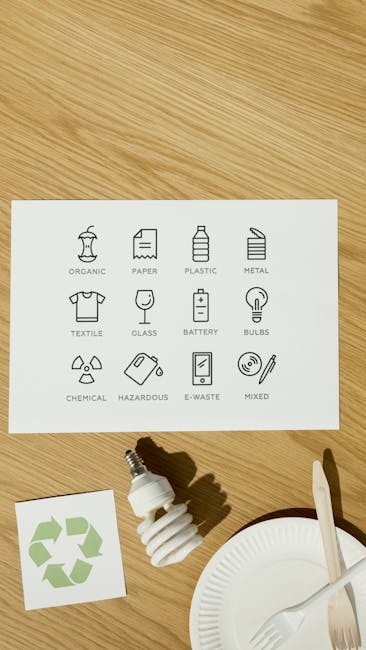
A key part of our service is ensuring that your garden waste is handled in an environmentally responsible way. Wherever possible, we divert green waste away from landfill and towards composting and recycling facilities.
Green waste such as grass, leaves, weeds and soft plant material is typically sent to specialist composting sites. Here it is processed at high temperatures to create nutrient-rich compost and soil improver. This closed-loop approach helps support local landscaping, agriculture and horticulture, and reduces the environmental impact of disposal.
Woody materials such as branches, hedge trimmings and untreated timber are often chipped or shredded. These woodchips can be reused as pathway coverings, mulch or biomass fuel, depending on the facility and local demand. By breaking materials down into reusable forms, we help keep Lewisham’s waste stream circular and sustainable.
We continually review our disposal partners to ensure that as much garden waste as possible is recovered and reused, in line with national recycling targets and local environmental priorities.
Our garden clearance teams work to minimise environmental impact at every stage of the process. This includes planning efficient collection routes across the garden clearance area to reduce fuel use and emissions, and consolidating loads to avoid unnecessary journeys.
We encourage customers to keep different waste types separate where practical. For example, separating soil, rubble and pure green waste allows us to choose the most appropriate recycling or disposal option for each material. We are always happy to advise on simple steps you can take before we arrive that make recycling and composting more effective.
Whenever we clear a garden, we sweep and tidy the area before we leave, so you can enjoy your outdoor space immediately. We take care not to damage lawns, flowerbeds or established plants, and we aim to leave pathways and access routes clean and safe.
Working across Lewisham every day means we understand how important green spaces are to local residents. From the open lawns of Blackheath and the riverside walks by Deptford Creek to the family areas around Mountsfield Park, Ladywell Fields and Hilly Fields, the borough is rich in parks and gardens.
Our garden waste removal service supports this green character by helping residents maintain tidy, healthy outdoor spaces of their own. Whether your flat overlooks a shared courtyard near Lewisham town centre, or you manage a long rear garden near Brockley or Forest Hill, we bring the same care and respect for the local environment to every job.
No two gardens are the same, so we tailor our service to your needs. We can help with:
One-off clearances after landscaping work, renovations or property sales.
Seasonal clear-outs after heavy pruning, hedge cutting or tree work.
Regular green waste collections to keep on top of ongoing maintenance.
End-of-tenancy garden clearance for landlords and letting agents.
Light dismantling and removal of small, non-hazardous garden structures such as old sheds, compost bins or rotten raised beds may also be available, depending on condition and access.
Choosing a professional garden clearance service saves time, effort and the cost of hiring equipment. At Waste Disposal Lewisham, we load all waste for you, handle the transport and ensure that materials are taken to licensed facilities for composting or recycling wherever possible.
We operate transparently, with clear pricing based on the volume and type of waste collected, and we always aim to keep disruption to a minimum. Our local teams are familiar with access issues, parking restrictions and the varied garden layouts found across Lewisham, allowing us to plan each job efficiently.
If you need reliable garden waste removal or regular green waste collection anywhere in Lewisham, our experienced team is ready to help restore order to your outdoor space and ensure your garden waste is managed in the most eco-friendly way available.
Waste Disposal Lewisham provides practical rubbish collection and clearance in Lewisham, with a focus on removing unwanted items, sorted waste and bulky materials in a way that is straightforward to arrange. Our service is built around the sort of everyday and planned disposal work customers actually need, from a few awkward items to fuller clearances that need more careful handling. If you want a cleaner space without spending time on repeated trips to a tip or transfer station, we can help.
We support domestic and commercial clearances, so the work can be shaped around a flat, house, office, shop, rental property or refurbishment project. The right approach depends on what needs to go, how it is stored, how easy it is to reach, and whether items should be separated for reuse, recycling or disposal. You can plan your removal around the contents rather than forcing everything into one fixed format.
For a quick start, use the service pages below to explore the main options. waste disposal in Lewisham is the main page for this service area, while the broader services overview helps you compare the different types of collection and clearance available. If you already know what needs removing, you can also move straight to a suitable specialist page or make a direct enquiry for a quotation.
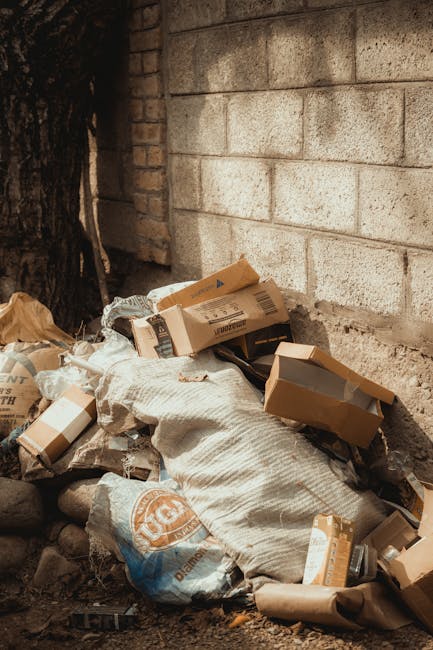
General rubbish collection is useful when you have mixed household or business waste that no longer fits neatly into a bin or normal routine collection. This can include bagged rubbish, broken items, packaging after a move, and other material that needs separating before disposal. We handle the collection itself and the practical sorting of load types, so the waste is treated in a way that matches its make-up rather than being moved as a single undivided pile.
Our rubbish collection in Lewisham service is suited to customers who need a clear, direct removal option without a full property clearance. Where larger or more mixed loads are involved, the waste clearance page is a useful next step, because it covers jobs where items are spread across different rooms, storage areas or outdoor spaces. The important point is to match the service to the load so the collection is efficient and well organised.
For a sensible quotation, it helps to note the type of waste, the amount, and any access limits such as stairs, narrow hallways or shared entrances. A concise description is usually enough to begin with, and a photo can be useful where the load is awkward or mixed. You do not need to over-explain the task; a simple summary of what is being removed and where it is located is often the most practical starting point. Clear details make it easier to agree the right level of service.
House clearance work is often needed when a property must be emptied, partly cleared or brought back into a manageable condition. That may involve rooms filled with furniture, bric-a-brac, bagged contents, white goods or general household waste. A good clearance service separates usable or recyclable items from residual waste where that is sensible, and it also takes account of whether the job concerns a single room, an entire property or a loft or storage space that has built up over time.
For more specific household removals, our house clearance in Lewisham, furniture removal and furniture disposal pages describe related work in more detail. Furniture is often one of the heaviest or most awkward parts of a domestic job, so it is worth distinguishing between items that are to be carried away intact and items that may need dismantling or separate disposal. Where appliances are involved, the right route can be different again, especially if the load includes mixed household goods.
If you are comparing options, think about access, the number of floors, and whether the contents are already grouped or still spread across the property. It is also sensible to list any items that need special handling, such as fridges, freezers or bulky wardrobes. 
A tidy description helps shape the work and avoids confusion later. If you are ready, request a quotation with the main items and the best way to access them.
Commercial and site-related waste usually needs a more planned approach because the materials are often mixed, heavy or tied to a project timetable. Builders waste can include rubble, timber offcuts, packaging, plasterboard, broken fixtures and other remnants from refurbishment or repair work. Office clearance work may involve desks, chairs, storage, paper waste and general contents no longer needed after a move, reorganisation or closure. In both cases, the aim is to remove the waste cleanly and leave the space ready for the next stage.
The relevant service pages include builders waste disposal in Lewisham, office clearance and commercial waste removal. These are distinct types of work because the material mix, the access conditions and the scheduling needs can differ quite a lot. A refurbishment load is rarely the same as a tidy office move-out, and a back-office declutter is not the same as clearing building debris from a work area.
Where business premises are involved, it is sensible to outline whether waste is stored inside, at the rear of the building, in a loading area or in separate rooms. If items are locked away, stacked, or mixed with equipment that will stay in place, mention that early. Practical information about volume and access is usually enough to begin planning. If you need a straightforward next step, send the details and ask us to quote.
Some waste categories need more specific treatment than standard general rubbish. White goods and appliance disposal often involves heavier household items such as fridges, freezers, washing machines and similar equipment. Garden waste removal is different again, because it is usually made up of cuttings, branches, soil, turf or other outdoor material that may be light, bulky or compostable in different ways. Treating these loads separately can make the disposal process clearer and more efficient.
For category-based work, see the white goods and appliance disposal page and the garden waste removal page. These pages are useful when a job is not just a mixed pile of general rubbish but a more defined set of items with their own handling needs. Appliances may need careful moving because of size and weight, while garden waste is often easier to collect when it has been bagged, bundled or stacked neatly.
The best quotation requests include the item type, approximate quantity and whether any parts need to be carried from an upper floor, garage, shed or rear garden. That gives a clearer picture of the work without turning the enquiry into a long list. If you have several kinds of waste together, it is helpful to separate them in your notes so the removal can be planned in a logical order. Simple preparation usually makes the collection easier.
Some requests are larger than a single load and are better treated as property-sized clearances. Loft spaces often contain accumulated household items, old storage, cartons and seasonal belongings that need sorting before removal. Shop or market-related clearances can involve shelving, stock, display material and packaging that must be removed carefully so the premises can be reset quickly. These jobs are less about one category of waste and more about working through a space in a structured way.
Our loft clearance in Lewisham and market shop clearance case study pages are relevant if you are dealing with storage or retail contents rather than a simple household pile. The distinction matters because loft access, insulation, stairs and tight hatches can all change the job, while retail and market clearances may require a different sequence of removal to keep the space usable.
If you are looking at a broader property job, it is usually useful to identify the main zones first: loft, spare room, cupboards, display area, yard, or office store. That makes it easier to decide whether the task is a general clearance, a category-specific removal, or a combination of both.
The next step can be as simple as sending a brief outline of the rooms and the main contents. Ask for a quotation when you are ready.
Quotation requests are easier to handle when the information is structured in a way that matches the type of waste rather than the way it was found. A useful enquiry normally includes the kind of material, whether it is loose or bagged, the approximate volume, any awkward access, and whether the job is domestic or commercial. If you have several separate areas, listing them in order can also help. This is not about creating extra admin; it is about making the service fit the work sensibly.
For customers who want to compare practical details before proceeding, the prices page and the pricing and quotes page are the most direct places to start. You may also find the waste carrier licence and compliance page helpful if you are checking how disposal is handled, while recycling and sustainability gives a clear view of our broader waste handling approach. These pages are supporting information rather than substitutes for the removal itself.
The most useful commercial enquiries are usually brief, specific and honest about the job size. If you are not sure which service page fits best, start with the main waste disposal page and work from there. You can then add the exact items, the location inside the property and any special access notes. That is often enough to move from a general idea to a clear proposal. Contact us to request a quotation when you are ready to get started.
Lewisham is a district in south-east London that combines a long urban history with a varied present-day character. The area centres on Lewisham town centre, where transport routes, retail streets and civic buildings give it the feel of a busy local hub, while surrounding neighbourhoods such as Brockley, Catford, Hither Green and Deptford each contribute their own built form and social identity. The River Ravensbourne runs through the borough, and its valleys and tributaries help shape the local landscape, linking low-lying routes with higher residential ground. Lewisham was historically part of Kent before becoming absorbed into London’s expanding metropolitan fabric, and that layered history is still visible in the street pattern and surviving buildings. Victorian and Edwardian terraces sit alongside later housing estates, post-war developments and newer mixed-use schemes, creating a varied architectural mix rather than a single uniform centre. Telegraph Hill Park, Hilly Fields and Manor House Gardens are among the better-known green spaces, offering open ground, views and everyday recreation within an otherwise dense urban setting. The district also has strong ties to transport, with rail and DLR links making it an important movement corridor across south London. Cultural life is equally mixed, with local markets, community venues, libraries and high streets giving the area a practical, lived-in character. Lewisham has experienced change through redevelopment, regeneration and population growth, yet it retains the feel of a place shaped by everyday use rather than one fixed by a single landmark or district identity. That combination of river, rail, housing and public green space gives the area a distinct place in London’s south-east geography.
Different properties create different disposal needs, and the best approach depends on whether the space is lived in, rented, traded from or used for storage. A domestic property may need a careful room-by-room clearance with attention to reusable items and furniture, while a commercial unit might require a quicker removal of stock, fittings or general business waste. In both settings, it helps to separate the decision about what should leave the site from the physical work of carrying it away. That keeps the job controlled and easier to review.
Our domestic waste collection, house clearance and office clearance pages each reflect a different type of setting, even though the practical aim is similar: to remove unwanted material safely and efficiently. A home collection may focus on convenience and mixed household contents, while an office job often has more predictable items but tighter time windows and more equipment to manage. Choosing the right page makes the service description easier to match to the real task.
Start with the space, then identify what is staying and what is leaving. If there are items that must be kept back, moved separately or handled carefully, mention them in your note so the plan stays accurate. For many customers, a short message with a few key details is all that is needed to begin. Once the outline is clear, the quotation process can be simple and direct.
Waste removal is usually best handled in stages: identify the materials, group similar items together, confirm access, and then carry out the collection in an order that suits the property. That method works well for both routine rubbish and more complex clearances because it reduces confusion and keeps the job moving. It also makes it easier to distinguish between items that can be dealt with as standard waste and items that may need separate handling for recycling or disposal.
Our waste clearance and rubbish collection pages fit the most common starting points, while the specialist pages suit more defined loads. If you are unsure which one is the best fit, begin with the broader service and narrow it down by item type. That way, you can avoid overcomplicating the request while still describing the work accurately enough to be quoted.
It is also worth remembering that clearances do not have to be presented as a single lump of waste. A sensible enquiry can list bags, furniture, appliances and loose rubbish separately, especially if they are in different rooms or outside areas. Accurate grouping helps the service remain practical and ensures the collection is matched to the real contents rather than a guess. If you want to move ahead, the quotation request can be short and to the point.
(82)