Lewisham Station commuter rubbish disposal guide
Posted on 10/09/2026
If you commute through Lewisham Station, you already know how quickly a small rubbish problem can become a daily nuisance. A coffee cup, takeaway box, broken umbrella, empty packaging, or an awkward bag that you meant to deal with "later" can sit in the way of your morning rush and your evening return. This Lewisham Station commuter rubbish disposal guide is here to make that easier. It explains what to do, when to do it, and how to avoid the usual little headaches that come with station-area waste, especially when time is tight and the pavements are busy.
Whether you are heading to work, swapping trains, collecting parcels, or just trying to keep your flat, office, or shop front tidy near the station, the right disposal approach saves time and stress. And to be fair, that is what most people want on a weekday morning: one less thing to think about.

Contents
- Why this matters around Lewisham Station
- How commuter rubbish disposal works in practice
- Key benefits and practical advantages
- Who this guide is for
- Step-by-step guidance
- Expert tips for better results
- Common mistakes to avoid
- Tools, resources and recommendations
- Law, compliance and best practice
- Options, methods and comparison table
- Case study or real-world example
- Practical checklist
- Conclusion
- Frequently asked questions
Why Lewisham Station commuter rubbish disposal guide Matters
Station areas have a different rhythm from ordinary residential streets. People move fast, bins fill quickly, and discarded items tend to appear in waves: after the morning commute, at lunch, and again in the evening. Around Lewisham Station, that creates a simple truth - if waste is not dealt with promptly, it becomes visible very quickly.
That visibility matters for a few reasons. First, litter makes the station approach feel cluttered and less welcoming. Second, spilled waste attracts more waste; one bag on the wrong corner can become three bags before you know it. Third, if rubbish is left where pedestrians, wheelchair users, pushchairs, or deliveries need to pass, it causes a real access problem. Nobody wants to be squeezing past a torn bin bag while checking the time and juggling a rucksack. Been there, all of us have, and it is annoying.
For local residents and businesses, this is not only about cleanliness. It is about how the area functions. Shops near Lewisham Station, offices with commuter footfall, landlords managing shared buildings, and households close to busy roads all benefit from waste handled in a tidy, predictable way. If you want a broader feel for the local area and how everyday life works here, the perspective in a local's view of living in Lewisham is a helpful read alongside this guide.
How Lewisham Station commuter rubbish disposal guide Works
At a practical level, commuter rubbish disposal is about matching the waste to the right route. Some items are tiny and should simply be carried home or placed in a suitable public bin if one is available and appropriate. Other items are better kept until you reach your home or workplace. And some waste needs a planned collection, especially if it is bulky, messy, or likely to cause a nuisance while you are on the move.
The process usually falls into one of four patterns:
- Carry it out responsibly. Small items such as wrappers, coffee cups, tissues, and snack packaging can usually be held until a proper bin is available.
- Separate recyclable items. Cardboard sleeves, plastic bottles, cans, and clean paper may be recyclable depending on where you are disposing of them.
- Hold bulky or awkward items back. Broken chairs, office clutter, bagged household rubbish, or old appliances should not be left casually near the station.
- Book a proper collection when needed. If waste is too much for a normal bin run, a planned service is often the cleanest option. For an overview of the kinds of collections available locally, it can help to look at the services overview and compare it with your actual waste type.
The important thing is not to force one method onto everything. A commuter coffee cup is not the same thing as a broken desk drawer. Simple, yes - but people sometimes blur the two and then wonder why they end up with a mess.
In busy station areas, timing also matters. Early morning is often the cleanest window for moving waste to a designated point or arranging collection. By late afternoon, foot traffic, deliveries, and weather can make even a short curbside job more awkward than expected.
Key Benefits and Practical Advantages
Good rubbish disposal around Lewisham Station is not just about looking tidy. The benefits are practical, and in day-to-day life that is what counts.
- Faster journeys. You spend less time dealing with waste at the end of the day.
- Better hygiene. Less lingering food waste means fewer smells, spills, and unwanted pests.
- Cleaner shared spaces. Station approaches, entrances, communal hallways, and shopfronts stay more usable.
- Lower risk of complaints. A neat waste routine helps avoid disputes with neighbours, landlords, or managing agents.
- More recycling. When waste is sorted properly, more of it can be reused or recycled instead of going straight into mixed rubbish.
- Less chance of fines or enforcement issues. Illegal dumping and fly-tipping can carry consequences, which is covered in more detail in this guide to Lewisham council fines for illegal dumping.
For commuters, there is also a quieter benefit: peace of mind. You know what to do with waste, where it goes, and who is responsible for it. That sounds small until you are standing by the station in the rain with a heavy bag and nowhere obvious to put it. Then it becomes a big deal very quickly.
Expert summary: Around Lewisham Station, the best rubbish routine is the one that is simple enough to repeat every day, flexible enough for busy mornings, and careful enough to keep public spaces clear.
Who This Is For and When It Makes Sense
This guide is useful for a few different people, and not just regular rail commuters.
- Daily commuters who bring snacks, drinks, papers, or packaging through the station area.
- Residents living near the station who want a cleaner routine for household rubbish and recycling.
- Local businesses dealing with packaging, food waste, office clutter, or customer litter.
- Landlords and managing agents responsible for communal bins, shared entrances, and tenancy changeovers.
- Students and short-term renters who often have limited storage and irregular waste patterns.
- Visitors and event-goers heading to nearby venues, shops, or social spaces, especially when the weather nudges people toward disposable items.
If you are dealing with a few bags after a flat clear-out, the commuter approach is not enough on its own. That is when a more structured service becomes sensible, such as domestic waste collection in Lewisham or, for larger jobs, waste clearance in Lewisham. If the job involves wardrobes, old sofas, or broken furniture, the more specific routes like furniture removal or furniture disposal are usually a better fit.
Sometimes the trigger is not volume but timing. Maybe you are moving out and only have one free evening before keys are handed back. Or maybe your office is changing layout and the reception area suddenly has a mountain of packaging. That is exactly when planning beats improvising.
Step-by-Step Guidance
Here is a straightforward way to manage rubbish near Lewisham Station without overcomplicating it.
- Identify the waste type. Separate food packaging, recyclables, general rubbish, bulky items, and anything hazardous or sharp.
- Decide whether it can travel with you. If it is a small, clean item, keep it sealed and carry it until a proper disposal point is available.
- Check whether it needs sorting. Clean cardboard and bottles are often easier to recycle than mixed, food-stained waste.
- Keep bags secure. Use strong bags and avoid overfilling them. A split bag on a station route is a headache nobody needs.
- Plan the drop-off or collection. For bulky waste, schedule disposal rather than leaving it near entrances, walls, or bins.
- Store items safely until collection. Keep them dry, out of walkways, and away from fire exits or shared corridors.
- Use a licensed waste carrier for larger jobs. That helps keep disposal lawful and traceable. You can check the practical side of that through waste carrier licence and compliance.
- Confirm payment and booking details. If you are arranging a paid collection, make sure you understand what is included. The page on pricing and quotes is useful for setting expectations before you book.
A small but useful habit: keep one bag or box at home specifically for station-related litter and commuting waste. Then you are not trying to hold yesterday's paper cup, today's receipt, and a soggy napkin in the same coat pocket. Ridiculous scene, but it happens.
Expert Tips for Better Results
In our experience, the difference between smooth waste handling and a frustrating one usually comes down to a handful of habits.
1. Don't wait for "a bigger bag later"
That little delay often turns into clutter. If the item is recyclable, sort it now. If it is not, seal it and move it on. Small, repeated decisions prevent big end-of-day messes.
2. Match the disposal method to the waste size
A paper coffee cup and a dismantled office chair do not belong in the same plan. For larger household, office, or renovation waste, the more suitable options are specific services such as office clearance, house clearance, or builders waste disposal.
3. Think in routes, not just bins
Sometimes the best route is not "find a bin near the station". It is "carry recyclable items home, use workplace bins correctly, and book a collection for everything else". That mindset keeps waste from bouncing between locations and getting abandoned in the wrong place.
4. Keep shared spaces clear
If you live in a block near the station, remember that hallways, stairwells, and doorways are not temporary storage. Leave nothing where someone could trip, brush against it, or block access. That one is important.
5. Book early during busy periods
Waste collections can be delayed during busy times, after bad weather, or when access is awkward. A little lead time makes life much easier. If you want to understand common timing issues, have a look at what Lewisham waste clearance delays can look like.
One more practical point: if you are trying to clear out after a move, be realistic. The idea that "I'll sort everything after work" is charming, but not always realistic. A proper plan beats heroic improvisation every time.
Common Mistakes to Avoid
Most rubbish problems around station areas are not caused by bad intentions. They happen because people are rushed, tired, or assuming someone else will deal with it. Fair enough, but the result is still the same.
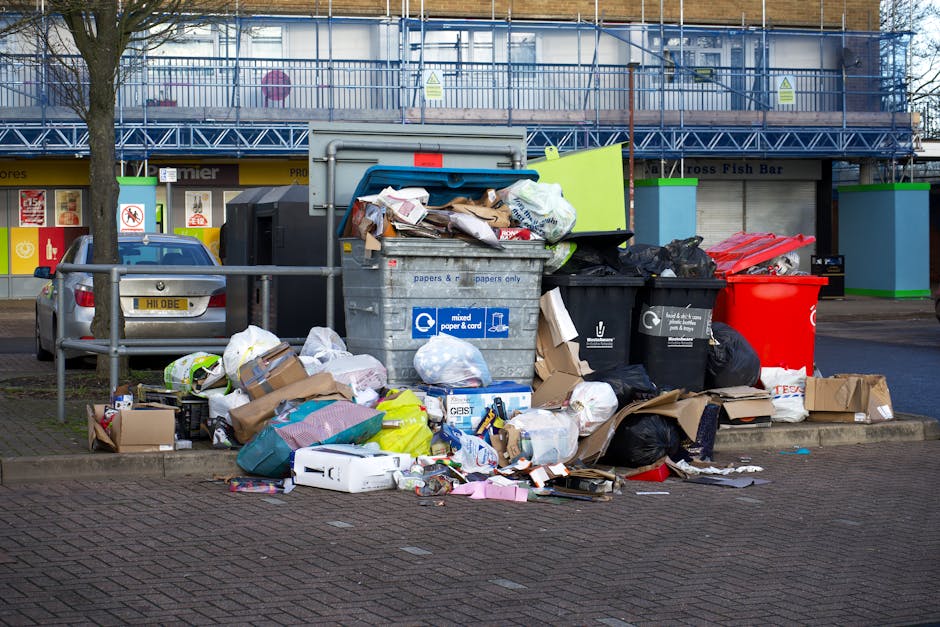
- Leaving bags beside public bins. That often counts as fly-tipping behaviour, not proper disposal.
- Mixing recyclables with food waste. One dirty item can ruin an otherwise useful batch.
- Using the wrong service for the job. Furniture, appliances, and builder's waste need different handling from everyday rubbish.
- Ignoring access issues. If a collection vehicle cannot park safely or a stairwell is too narrow, the job slows down.
- Forgetting about neighbours and commuters. A bag placed where it blocks a narrow pavement is not just untidy; it is inconsiderate.
- Choosing a provider without checking compliance. If someone offers to take waste away cheaply but cannot explain what happens to it, that is a red flag.
For more on the kinds of avoidable slip-ups people make when arranging collections, the article on common Lewisham rubbish-booking mistakes is worth a read. It goes into the details without overdoing it.
Tools, Resources and Recommendations
You do not need a complicated system to stay on top of rubbish near Lewisham Station, but a few simple tools make a big difference.
- Reusable bags or a sturdy tote. Handy for carrying small items until you get home.
- Separate containers for recycling and general waste. Makes sorting faster and less irritating.
- Strong refuse sacks. Especially useful for wet weather, office waste, or heavier household waste.
- Calendar reminders. Good for bin day, collection day, or a flat clear-out deadline.
- Basic labels. A small label on boxes in communal areas helps everyone know what goes where.
- Photo notes on your phone. Useful if you are comparing waste piles before booking a collection or estimating volume.
For donation and recycling-minded readers, it is also worth thinking about whether some items can be passed on rather than thrown away. The article on Lewisham recycling and donation options for household waste offers a practical way to reduce waste before it even reaches a collection vehicle.
If you are mainly trying to understand what kind of help is available, the recycling and sustainability page is also a useful starting point for seeing how disposal and reuse can fit together. Not glamorous, but useful. Very useful.
Law, Compliance, Standards, or Best Practice
When rubbish is involved, especially in public or shared spaces, best practice matters just as much as convenience. You do not need to memorise legislation to do the right thing, but you should understand the basics.
In the UK, waste should be handled responsibly and passed to people or services that are authorised to carry and process it. That is why using a reputable, compliant waste carrier is sensible for anything beyond straightforward personal litter. It protects you from accidental involvement in illegal dumping and helps ensure that rubbish does not end up where it should not.
For station-area waste, the practical standards are simple:
- Do not block pavements, entrances, or fire routes.
- Do not leave bags beside bins if they are not meant to be there.
- Keep waste contained and secure.
- Separate recyclables where it is reasonable to do so.
- Use proper collections for bulky, sharp, or hazardous items.
- Check that anyone removing waste is operating compliantly.
If you are arranging a larger clearance, the company should be able to explain its waste handling process in plain English. That is a good sign. If the explanation gets vague, overly pushy, or strangely casual, pause. You are allowed to ask awkward questions. In fact, you should.
For further reassurance about how a professional service should operate, pages such as insurance and safety and about us help set the tone for what responsible, local service should look like.
Options, Methods, or Comparison Table
There is no single best method for every commuter waste situation. The right choice depends on volume, timing, access, and whether the items are simple litter or something more substantial.
| Method | Best for | Pros | Limitations |
|---|---|---|---|
| Carry it until you get home | Small daily litter, coffee cups, snack wrappers | Quick, low-cost, easy to control | Not ideal for wet, messy, or bulky items |
| Sort for recycling | Clean bottles, cans, paper, cardboard | Supports reuse and reduces general waste | Needs a bit of care and space |
| Use workplace or home bins properly | Routine commuter waste | Convenient and tidy | Not suitable for oversize or mixed waste |
| Book a waste collection | Bulky bags, furniture, office or household clear-outs | Efficient and practical | Needs planning and may involve cost |
| Arrange specialist disposal | Appliances, furniture, builders waste, heavy items | Safer and more compliant | Requires choosing the right service type |
If your waste is mostly household clutter, a general service such as rubbish collection may fit well. If the issue is something specific like a fridge, washing machine, or similar item, white goods and appliance disposal is the smarter route. That bit matters more than people think.
Case Study or Real-World Example
Here is a realistic example. A small retailer near Lewisham Station notices that packaging from morning deliveries is building up behind the shop before opening time. Nothing dramatic - just cardboard, tape, and a few broken boxes. But by midweek, the space starts to feel cramped, and staff are moving around piles instead of through clear walkways.
The first instinct is usually to "just get it out later". Trouble is, later becomes after lunch, then after closing, and then somehow it is Friday. The better fix is straightforward: separate the cardboard from mixed waste, flatten boxes immediately, keep the area clear, and arrange a regular collection schedule that fits delivery timings. If there is a larger clear-out or awkward stockroom overflow, a more tailored approach like commercial waste removal or even a one-off office clearance can stop the problem from coming back every week.
We saw a similar pattern in a local shop-clearance scenario discussed in this Lewisham market shop clearance case study: once waste handling became routine rather than reactive, the space felt calmer, and the team spent less time negotiating around clutter. That is the real win. Not just "less rubbish", but less friction.
Practical Checklist
Use this quick checklist when you are dealing with commuter waste near Lewisham Station.
- Have I separated recyclable and general waste?
- Is anything sharp, messy, or heavy?
- Can I carry this safely until I get home or to work?
- Am I leaving anything in a doorway, hallway, or public path?
- Do I need a proper collection for bulky items?
- Have I checked that any waste carrier or clearance service is compliant?
- Do I know the collection time, access instructions, and where items will be placed?
- Have I thought about donating or recycling usable items first?
- Will my disposal choice keep the station area clear and tidy?
- Have I avoided the "I'll deal with it tomorrow" trap?
A small checklist like this seems basic, but it saves time. Sometimes the simplest system is the one you actually keep using. That's the whole trick, really.
Conclusion
Managing waste around Lewisham Station does not need to be complicated. The best approach is usually the most practical one: keep small litter contained, sort recyclables where you can, avoid leaving anything in public or shared spaces, and book the right kind of collection when waste is too much for a normal commute-friendly routine.
For commuters, residents, shop owners, landlords, and office teams, the value is the same. Cleaner surroundings, fewer delays, less stress, and a better daily flow through one of Lewisham's busiest areas. If you stay a little organised, the whole process becomes much easier than people expect.
And if you are dealing with more than the occasional takeaway wrapper, do not leave it until it turns into a bigger problem. A tidy plan now saves a headache later, simple as that.
Get a free quote today and see how much you can save.



 Tipper Van - Waste Disposal and Rubbish Disposal Prices in Lewisham, SE13
 Luton Van - Waste Disposal and Rubbish Disposal Prices in Lewisham, SE13