Deptford flat rubbish removal access problems and solutions
Posted on 02/06/2026
Deptford flat rubbish removal access problems and solutions: a practical guide for awkward flats, tight stairwells, and busy streets
If you live in a Deptford flat, you probably already know the drill: a sofa that only just fits through the hallway, a narrow staircase, a front door that opens the wrong way, and nowhere sensible to leave bags while you work out what to do next. Add parking pressure, basement steps, shared entrances, or a second-floor walk-up, and rubbish removal can turn into a bit of a mission. This guide on Deptford flat rubbish removal access problems and solutions is here to make that mission simpler.
We will walk through the real access issues people run into, how professional rubbish removal normally handles them, what you can do before collection day, and where the avoidable mistakes tend to happen. A lot of the stress is preventable, truth be told, once you think through access rather than just the waste itself.
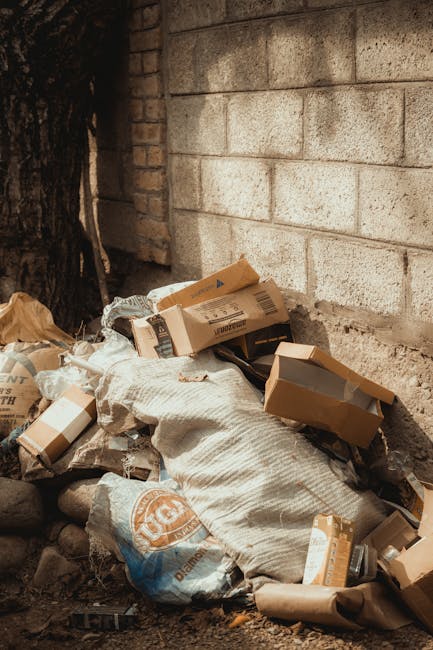
Why Deptford flat rubbish removal access problems and solutions Matters
Access problems are usually the difference between a smooth collection and a long, awkward morning with things blocking the hallway while everyone gets irritated. In Deptford, flat living often means shared stairwells, compact entryways, controlled parking, and neighbours who are very aware of noise at 7am. That is not a complaint; it is simply the reality of London housing.
When rubbish removal is planned without thinking about access, you can run into delays, extra labour, damage to walls or bannisters, or waste that simply cannot be removed as expected. Even a small item can become complicated if it has to be twisted round a corner or carried down tight stairs. And if the item is heavy, like an old wardrobe or washing machine, the problem gets bigger fast.
That is why access planning matters as much as the clearance itself. A good plan protects your time, the building, and your budget. It also helps the team work safely, which matters more than people realise. One narrow landing and a rushed lift job is enough to turn a routine visit into a headache.
Expert summary: In flat-based rubbish removal, the waste item is only half the story. The route out of the property is often the real job.
If you are comparing broader waste options, it can also help to understand the wider service structure first. The services overview gives a useful sense of how different clearance types fit together, while rubbish collection in Lewisham is often the starting point for more straightforward jobs.
How Deptford flat rubbish removal access problems and solutions Works
Most flat rubbish removals follow a simple pattern: identify the waste, assess access, agree the lifting route, and remove the items safely. In practice, that assessment is the important bit. A provider may ask about floor level, lift access, parking, stair width, door width, and whether the items are already outside or still inside the flat.
For the customer, the job becomes much easier when you think through the route item by item. Can the sofa move through the front room without removing the door? Will the fridge fit in the lift? Is there a key fob issue? Is the loading bay usable at the time of collection? Those details matter. A lot.
Typical access problems in Deptford flats include:
- tight staircases with sharp turns
- small lifts or lifts with low weight limits
- no nearby parking for a vehicle
- shared entrances and busy communal hallways
- items stored in lofts, basements, or rear yards
- restricted collection times in managed blocks
- heavy furniture that needs two people to manoeuvre
Solutions vary depending on the building and the waste. Sometimes it is as simple as clearing the route and removing a door temporarily. Sometimes you need to split furniture down, use two-person lifting, or arrange a timed loading window so the vehicle can stop close enough to the entrance. In a few cases, it is better to move items to ground level in stages rather than trying to force everything out in one go.
If you are dealing with specialist items, such as appliances or large furniture, you may want a more tailored service. For example, white goods and appliance disposal is useful when the item is bulky, awkward, and not something you want to wrestle with on the stairs. For larger domestic jobs, furniture removal and house clearance are often better fits than a generic collection.
Key Benefits and Practical Advantages
Getting the access side right saves time, but the benefits go beyond that. In flat clearances, the right approach can change the whole experience from stressful to manageable. Not glamorous, I know, but very real.
- Less disruption: A tidy route and a clear plan mean less time in shared areas and less noise for neighbours.
- Lower risk of damage: Tight corners are where walls, paint, bannisters, and doors get scuffed.
- Safer lifting: Access-aware removal reduces the chance of slips, strains, and drops.
- More accurate pricing: If the team knows the access conditions upfront, the quote is more likely to reflect the actual job.
- Faster completion: Fewer surprises on the day means less waiting around in a hallway with an item that will not budge.
- Better neighbour relations: This matters in blocks where everyone sees and hears everything.
There is also a practical emotional benefit. A flat full of unwanted stuff can feel mentally heavy, especially if you are moving, bereaved, renovating, or dealing with a sudden change in circumstances. Clearing it well makes the place feel breathable again. You notice the echo in the room. You notice the light. It sounds dramatic, but it is often the case.
Where access is the main issue, a good clearance service can make the whole process feel less like a logistical puzzle and more like a straightforward plan. For businesses or mixed-use buildings, commercial waste removal and office clearance can be especially helpful when shared access and time windows are tight.
Who This Is For and When It Makes Sense
This topic is not just for people with no lift and a dead washing machine. It is relevant to anyone in a Deptford flat where removal access is not simple.
- tenants clearing out after a move
- landlords preparing a property for re-let
- homeowners replacing bulky furniture
- flat sharers getting rid of shared clutter
- managing agents handling communal or end-of-tenancy clearances
- small businesses operating from converted flats or upper-floor premises
- people dealing with inherited possessions in older properties
It makes sense to think seriously about access when:
- items are heavier than one person can safely handle
- the route out involves stairs, lifts, or sharp turns
- parking is restricted or loading is time-sensitive
- you expect more than a few bags of waste
- the building has house rules about noise, hallway use, or entry control
A quick example: if you are removing a wardrobe from a top-floor flat, it may look like a simple furniture job on paper. But if the wardrobe is taller than the landing ceiling line, the lift is too small, and the stairwell turns tightly halfway down, the job is no longer simple. That is the moment where planning matters. Really matters.
Step-by-Step Guidance
Here is the cleanest way to approach flat rubbish removal when access is tricky.
1. Identify the items and measure the awkward bits
Write down what is going, then measure the widest and tallest pieces. If you have a sofa, mattress, wardrobe, fridge, or desk, check the dimensions against doorways, lift size, stair turns, and the landing. People often skip this step because it feels tedious. Then collection day arrives and, well, surprise.
2. Walk the access route before collection day
Start at the flat and follow the route all the way to the vehicle point. Notice low ceilings, narrow hallways, coded doors, broken lights, or anything stored in the way. If you can, clear the route in advance. It saves a lot of back-and-forth on the day.
3. Check parking and stopping access
In Deptford, parking can be the silent problem. A vehicle may need to stop close enough for safe loading, but that is not always possible on busy roads. If parking looks difficult, mention it early. If you are using waste clearance or waste disposal services, this is one of the main details that shapes the plan.
4. Separate small manageable waste from bulky items
Not everything needs the same method. Black bags, mixed household waste, and smaller items may be easier to move in stages, while furniture and appliances may need specific handling. Sorting in advance makes the job faster and, often, cheaper.
5. Share building rules and timing constraints
If your block has concierge rules, lift booking times, or restrictions on using communal areas, say so upfront. This avoids awkward conversations with neighbours and managers. Nobody wants to be the person carrying a chair through a foyer while someone is trying to leave for work.
6. Decide whether items should be dismantled
Sometimes the best solution is to take furniture apart before removal. Bed frames, wardrobes, and tables can become far easier to move once broken down. Only do this if it is safe and sensible, though. Forced dismantling can create more mess than it solves.
7. Keep fragile surfaces protected
If items need to pass close to freshly painted walls or glass panels, add protection. Even a folded blanket or cardboard edge cover can help. It is basic, but it works.
8. Confirm the handover plan
Decide where items will be collected from: flat door, ground floor lobby, outside the building, or another agreed point. That small decision avoids confusion later.
Expert Tips for Better Results
A few small habits make a very big difference.
- Always mention the worst access point first. If the stairwell is tight, say so before talking about the easy bits.
- Use photos, but don't rely on them alone. Pictures are useful, though they can hide slope, width, and ceiling constraints.
- Think about timing, not just the route. A quiet weekday slot may be easier than a busy school-run window or late afternoon rush.
- Label what stays and what goes. In shared flats, that avoids the classic "Was that yours?" argument.
- Be realistic about lifting. If something feels too heavy for one person, it probably is.
One thing people underestimate is the smell factor. Old furniture, damp cardboard, or long-stored waste in a flat can become noticeable the moment it is shifted. Fresh air helps, but the main fix is to avoid dragging things out late in the day if a building gets warm and stuffy.
If your clearance is connected to a broader refresh, such as after renovation or tenancy change, it can be worth looking at builders waste disposal for rubble, packaging, and leftover materials, or domestic waste collection for more routine household loads.

Common Mistakes to Avoid
Most access problems are predictable, which is a polite way of saying people keep making the same ones.
- Underestimating item size: "It'll fit" is not a measurement.
- Ignoring the route: A sofa can be technically movable and still be impossible around one tight corner.
- Forgetting lift restrictions: Some lifts are too small or too fragile for bulky items.
- Leaving everything for the morning of the job: That creates pressure and mistakes.
- Not checking building access codes or keys: A locked entrance can stop the whole process cold.
- Assuming parking will work itself out: It rarely does.
- Mixing different waste types together without checking: Furniture, appliances, rubble, and general waste may need different handling.
There is also a human mistake that is very common: not telling the removal team about the awkward detail because you think it is "probably fine". It might be fine. Or it might mean the item cannot get through the fire door and everyone stands there in silence for 30 seconds pretending to think. Better to mention it early.
Tools, Resources and Recommendations
You do not need specialist kit for every job, but a few basic things help a lot.
- tape measure for doorways, lifts, and furniture
- phone camera for route photos
- labels or sticky notes for keep/remove sorting
- gloves for handling rough or dusty waste
- blankets or cardboard for edge protection
- trolley or sack truck where appropriate and safe
For practical planning, it helps to understand the provider's approach to safety, pricing, and handling. You can review insurance and safety to see how responsible operators think about risk, and pricing and quotes if you want a clearer picture of how access details can affect the estimate.
If you are comparing services, the wording on about us and waste carrier licence and compliance matters too. In this line of work, trust is not a vague branding thing. It is whether the job is handled properly, lawfully, and without shortcuts.
Law, Compliance, Standards, or Best Practice
Flat rubbish removal is practical work, but it is not a free-for-all. In the UK, waste must be handled by responsible carriers, and duty of care still applies. That means waste should go to proper disposal or recycling routes, not simply disappear into the back of a van with no record. If a provider cannot explain how waste is handled, that is a red flag.
Best practice in access-heavy flat removals usually includes:
- clear communication before the visit
- safe manual handling and team lifting where needed
- respect for communal areas and neighbours
- appropriate insurance cover
- correct waste segregation where possible
- lawful transfer and disposal arrangements
Residents also need to think about building rules. Managed blocks may have their own requirements about lift bookings, loading zones, or communal access. That is separate from waste law, but it still affects what can happen on the day.
If your removal involves reusable furniture or mixed waste with a sustainability angle, you may also want to consider the provider's approach to recycling. A sensible operator should be able to explain how items are sorted and where recovery is possible. You can read more about that general approach through recycling and sustainability.
And yes, paperwork matters more than many people think. Terms, privacy, payment, and service conditions may sound dry, but they protect both sides. For background, the site's terms and conditions, privacy policy, cookie policy, and payment and security pages are the kind of practical trust signals people often overlook.
Options, Methods, or Comparison Table
Not every access problem needs the same solution. Here is a straightforward comparison to help you decide what fits best.
| Method | Best for | Pros | Limitations |
|---|---|---|---|
| Standard flat clearance | General household waste, smaller furniture, mixed items | Simple, flexible, good for most jobs | May struggle with very bulky items or severe access limits |
| Two-person bulky item removal | Sofas, wardrobes, appliances, heavy loads | Safer handling, better control on stairs and corners | Needs more coordination and clear access route |
| Dismantled removal | Large furniture that will not fit intact | Often the easiest way through tight spaces | Requires time, tools, and care to avoid damage |
| Stage-by-stage clearance | Basements, lofts, awkward internal routes | Reduces strain and helps manage tight spaces | Can take longer on the day |
| Specialist service for appliances or builders waste | Fridges, washing machines, renovation leftovers | Better suited to specific handling and disposal needs | May involve more planning and item separation |
In some cases, the right option is not a single method but a combination. For example, you might dismantle a bed frame, carry bags down separately, and arrange appliance disposal as a separate visit. That sounds a bit fussy, but it can actually be the fastest route overall.
For lighter mixed loads, domestic waste collection can be the most straightforward route. For bulkier household jobs, furniture disposal can be the cleaner choice when the main issue is size rather than volume.
Case Study or Real-World Example
Here is a realistic Deptford-style example, with the names and details kept general. A tenant in a second-floor flat needed to clear a sofa bed, a mattress, two broken chairs, and several black bags before moving out. The building had a narrow staircase with one awkward bend, no lift, and limited roadside stopping space. The first instinct was to try doing everything in one go. That would have been a mess.
Instead, the job was broken down into stages. The bags were sorted and tied securely first. The sofa bed was measured and checked against the stair route. The mattress was moved separately. The sofa bed then had to be dismantled into easier sections because the landing turn was too tight. One door was held open while another person protected the wall edge at the bend. Slightly tedious? Yes. Much safer? Also yes.
The useful lesson here is simple: the removal was not difficult because of the amount of waste. It was difficult because of access. Once the access route was understood, the work became manageable. That is the real theme of flat rubbish removal in Deptford. The route changes everything.
This is also where broader local knowledge helps. Articles such as the bulky waste rules and permit guide and the Catford Broadway house clearance guide can be useful if you are trying to understand how local conditions shape waste removal decisions. They are not Deptford-specific, but they do help you think in a more practical, local way.
Practical Checklist
Use this before collection day. It is the sort of list that saves a surprising amount of faff.
- Measure the bulkiest items
- Check stair width, landing turns, lift size, and doorway clearance
- Confirm whether parking or loading access is available
- Share gate codes, intercom details, and any time restrictions
- Separate what is going and what is staying
- Remove personal items from furniture and drawers
- Protect walls, floors, and corners if needed
- Identify items that may need dismantling
- Tell the provider about any fragile or awkward items
- Check whether the waste includes appliances, heavy furniture, or construction debris
- Make sure someone will be available to answer access questions on the day
Quick reality check: if you cannot describe the access route clearly, the removal team probably cannot plan it properly either. A two-minute explanation now can save a half-hour delay later.
Conclusion
Deptford flat rubbish removal access problems are common, but they are rarely impossible. Most of the pain comes from under-planning, not from the waste itself. If you think through the route, measure the awkward bits, and say upfront where the problems are, you are already ahead of the game.
There is a simple rule here: the more awkward the flat, the more valuable the planning. That planning may involve dismantling furniture, timing the collection carefully, using a specialist service, or just being honest about the narrow staircase that everyone has been quietly avoiding. No drama, just good sense.
And if you want a smoother, safer, less stressful clearance, work with a provider that understands access, treats communal spaces carefully, and can explain how waste is managed from start to finish. That is what good service looks like, really.
Get a free quote today and see how much you can save.
For more on the local area and practical living context, you may also find the site's local reading useful, including a local's perspective on life in Lewisham and local insights on living in Lewisham. Sometimes the best clearance advice starts with understanding the building, the street, and the everyday rhythm around it.



 Tipper Van - Waste Disposal and Rubbish Disposal Prices in Lewisham, SE13
 Luton Van - Waste Disposal and Rubbish Disposal Prices in Lewisham, SE13