Lewisham council bulky waste rules and permit guide
Posted on 15/05/2026
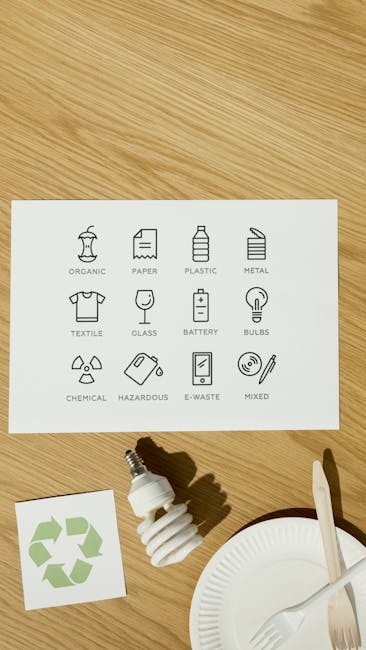
Lewisham council bulky waste rules and permit guide: what residents, landlords, and businesses need to know
If you've got an old sofa blocking the hallway, a broken fridge in the yard, or a pile of renovation leftovers that just won't fit into normal bins, you're probably trying to work out the smartest way to get rid of it in Lewisham. That's exactly where a clear understanding of Lewisham council bulky waste rules and permit guide can save time, money, and a fair bit of stress. The confusing part? People often mix up bulky waste collections, permits, fly-tipping rules, and private clearance options. They're not the same thing.
This guide breaks it all down in plain English. You'll learn how bulky waste is usually handled, when a permit or licence may be needed, what to check before you book, and how to avoid the mistakes that cause delays or extra charges. If you want a fuller view of local services as well, you can also explore the wider services overview and the company's approach to waste carrier licence and compliance.
Truth be told, bulky waste is one of those topics that sounds simple until you're standing in a cluttered living room at 7pm on a damp Tuesday. Then it matters a lot.
Why Lewisham council bulky waste rules and permit guide Matters
Bulky waste sounds straightforward, but the rules around collection, placement, and disposal affect more than just convenience. In Lewisham, the practical issue is usually this: what can be left for collection, what needs advance booking, what cannot go on the street, and when a permit or authorised waste removal route becomes necessary.
That matters because bulky items are not like everyday household rubbish. A mattress, wardrobe, washing machine, or broken garden furniture can't simply be shoved into a wheelie bin. If they're left in the wrong place, they can become a nuisance, attract complaints, or even trigger enforcement action. Nobody wants that. Especially not after already wrestling a double wardrobe down three flights of stairs.
There's also a cost angle. Some people pay for a council collection when a private clearance would have been quicker. Others arrange a clearance without checking whether the operator is properly licensed. Both mistakes can be expensive in different ways. If you need a trusted route for bigger household items, pages like furniture removal in Lewisham and white goods and appliance disposal are useful next steps.
In local practice, clarity is the real win. Know what the council accepts, know what your property can safely store before collection, and know when a private, licensed waste carrier is the more practical route.
How Lewisham council bulky waste rules and permit guide Works
At a high level, bulky waste management in Lewisham usually falls into one of three routes: council collection, private waste removal, or delivery to an authorised disposal site where permitted. The right choice depends on the type of item, how much there is, access to your property, and whether you're dealing with domestic or commercial waste.
1) Council bulky waste collection
This is generally the option residents look at first for a small number of large household items. Typical bulky items may include furniture, mattresses, carpets, and some electricals, though exact acceptance rules can vary. Councils often have booking systems, collection limits, and restrictions on what must be prepared in advance. You'll usually need to follow the instructions exactly, because one misplaced item can delay the whole pickup.
2) Private licensed clearance
If you have multiple items, awkward access, business waste, or a time-sensitive move, a licensed clearance service is often the more efficient option. This is especially useful for house moves, loft clear-outs, and end-of-tenancy situations. A proper clearance provider should be able to explain how items are handled, where they go, and what the paperwork looks like. That's why the pages on house clearance in Lewisham and loft clearance are relevant if the job is bigger than a single sofa.
3) Permits and access considerations
"Permit" can mean different things in practice. Sometimes it refers to the council's own collection process. Sometimes it refers to access permissions for parking, loading, or skip placement. And sometimes people use it loosely when what they actually need is confirmation that a waste carrier is licensed and authorised to move the material. A proper guide should separate those things, because they are not interchangeable.
Here's the simple version: if waste is going on public land, or a vehicle needs special access or parking arrangements, check the local rules before anything is placed out. If the job is being handled privately, make sure the operator is compliant and insured. No shortcuts there.
Key Benefits and Practical Advantages
Following the right bulky waste process may not sound glamorous, but it pays off quickly. The best outcomes tend to come from people who plan just a little. Nothing dramatic. Just a bit of thought before moving the sofa into the front garden.
- Less risk of missed collections: Items are prepared correctly, so crews can actually take them.
- Lower chance of fines or complaints: You avoid leaving waste in the wrong place or too early.
- Better cost control: You choose the most efficient route for the volume and type of waste.
- Cleaner property handovers: Handy for tenants, landlords, agents, and sellers.
- Safer handling: Heavy items and sharp edges are dealt with properly, reducing injury risk.
- Improved recycling outcomes: Reusable or recyclable materials can be separated more effectively.
There's also a mental benefit that people underestimate. A cleared room feels different. Less heavy. Less awkward. The echo changes a bit. Sounds silly, maybe, but if you've ever emptied a spare room in one go, you'll know what I mean.
For readers looking at the broader clearance picture, the site's recycling and sustainability page is a good companion read, especially if you want to understand what happens after items leave the property.
Who This Is For and When It Makes Sense
This guide is useful for a few different groups, and their needs are not quite the same.
Homeowners and tenants
If you're replacing furniture, clearing a spare room, or getting rid of an old appliance, the main question is usually: council collection or private removal? If you have just one or two bulky items and time is on your side, a council route may work. If you're moving out, renovating, or juggling work and family life, a booked clearance is often easier.
Landlords and letting agents
End-of-tenancy clearances can become messy very quickly. Tenants leave behind beds, broken wardrobes, white goods, bags of mixed rubbish, and the odd mystery item that nobody claims. In those cases, speed matters. It also helps to keep your process tidy for the next tenant. That's where local support like rubbish collection in Lewisham or waste disposal services can be relevant.
Businesses and offices
For commercial premises, bulky waste is rarely just one item. It may be office chairs, desks, shelving, broken equipment, packaging, or electrical waste. Business waste often needs more structured handling than a residential collection, and the compliance bar is higher. A sensible starting point is commercial waste removal in Lewisham or, for workspace changes, office clearance.
People with limited access or mobility needs
Steep stairs, narrow hallways, no lift, awkward parking, or limited lifting ability can make bulky waste removal much harder than expected. In those cases, it is worth checking accessibility, collection arrangements, and whether a provider can do a full collection from inside the property. That avoids a lot of unnecessary lifting. For related service information, the site's accessibility statement is a useful reference point.
Step-by-Step Guidance
If you want to deal with bulky waste without the usual faff, follow a simple process. It doesn't have to be complicated.
- List every item first. Write down what needs to go. Be specific. "Furniture" is not enough if one piece is a sofa, another is a bed base, and the third is a chipped table with loose screws.
- Separate bulky items from general rubbish. Keep food waste, loose bags, and small mixed waste away from the bulky load. That helps you choose the right route and avoids refusals.
- Check whether any items are restricted. Some items, especially electricals, fridges, or waste with special handling concerns, may need a different disposal route. White goods often deserve their own plan.
- Decide whether council or private collection suits the job. A small domestic load may fit a council bulky waste process. A larger or time-sensitive one often suits a licensed private collection.
- Prepare access. Move items to the agreed location, clear hallways, and make parking or entry arrangements if needed. A missed turn into a crowded Lewisham street can throw the whole thing off.
- Confirm charges and timing before booking. Don't assume. Ask what is included, what happens if access is difficult, and whether extras apply for large or heavy items. The pricing and quotes page is a sensible place to review how quoting works.
- Use a compliant operator if the job is private. Ask about licensing, insurance, and transfer of waste documentation. That protects you if questions come up later.
- Keep a record. Save confirmation emails, receipts, or booking details. It's a small thing, but useful if there's a query.
One quick practical tip: if you're dealing with several items, take photos before collection. It helps avoid confusion, especially if a driver is checking what's included and what's not. Small thing, big help.
Expert Tips for Better Results
The people who get bulky waste sorted smoothly usually do three things well: they prepare early, they stay realistic about access, and they don't overload the job with last-minute additions. Simple. But it works.
- Group items by type: furniture together, electricals together, general clutter together. This helps with sorting and pricing.
- Flatten or dismantle where safe: A bed frame or table that can be broken down safely will often be easier to handle than a bulky one-piece load.
- Measure doorways and stair turns: Particularly in older Lewisham homes, the awkward bit is often not the item itself but the route out.
- Ask what happens to reusable items: If something is still usable, it may be possible to divert it from disposal. That's better for cost and sustainability.
- Plan around neighbours: If access is shared, don't block entrances or leave waste outside overnight unless that's specifically allowed.
And here's the slightly unglamorous truth: the "best" method is often just the one that suits your real-life situation. Not the cheapest in theory. The one that actually gets the job done on time, without you having to make four phone calls and stand in the rain holding a wardrobe door.

Common Mistakes to Avoid
A lot of bulky waste problems come from easy-to-avoid errors. Most are completely fixable, which is the annoying part.
- Leaving items out too early: This can create an obstruction and may cause complaints.
- Mixing restricted waste with general items: One wrong item can stop a load being accepted.
- Assuming "any waste company" will do: Always check licensing and insurance.
- Forgetting access constraints: Narrow stairwells, locked gates, and parking restrictions matter.
- Booking before confirming the full load: If you discover a second sofa at the last minute, the price or collection plan may change.
- Ignoring appliance preparation: Some items, like fridges or washing machines, may need basic safe handling before removal.
A small but common mistake is treating all big waste as the same. It isn't. A mattress, a broken washing machine, and a pile of old office desks each bring different handling considerations. That's why structured services like furniture disposal and builders waste disposal exist in the first place.
Tools, Resources and Recommendations
You do not need fancy kit to deal with bulky waste well, but a few practical tools make the job easier.
- Measuring tape: Helpful for checking door widths, stair turns, and item dimensions.
- Phone camera: Take photos of the items before booking and after moving them.
- Gloves and sturdy footwear: Especially if you're lifting or moving items yourself.
- Basic dismantling tools: A screwdriver or Allen key can turn a nightmare wardrobe into manageable parts.
- Notepad or notes app: Keep item lists, booking times, and contact details in one place.
For residents who want to understand the broader service journey, these pages are especially helpful: about us, services overview, and insurance and safety. They give a better sense of how reputable waste operators work day to day.
If you're comparing disposal routes, it can also help to think beyond the one job in front of you. A single sofa removal may become a small clear-out, then a loft job, then a garden pile. That's how these things go.
Law, Compliance, Standards, and Best Practice
When waste is involved, compliance is not a box-ticking exercise. It is the backbone of doing the job properly. At a minimum, you should expect any private waste carrier to be able to explain how they handle collections, keep records, and dispose of waste lawfully. If a company cannot clearly explain that, take it as a warning sign.
In the UK, waste must be handled by appropriate, authorised routes. That usually means using a licensed waste carrier and ensuring waste is transferred responsibly. For the customer, the practical standard is simple: know who is taking the waste, understand where it is going in broad terms, and keep proof of collection where possible.
Best practice also includes:
- Clear item descriptions before collection
- Transparent pricing
- Evidence of licensing and insurance
- Respect for local access and parking rules
- Careful separation of recyclable materials where feasible
For businesses, the responsibility is usually even more important because records, duty of care, and tenant or employee safety all come into play. If you manage premises, it's wise to treat bulky waste as part of your wider waste policy rather than a one-off problem. That approach is calmer, and honestly, less stressful.
Options, Methods, or Comparison Table
If you are deciding between council collection, private removal, or a larger clearance service, this comparison may help. The right answer depends on what you're getting rid of and how quickly you need it gone.
| Option | Best for | Main advantages | Things to watch |
|---|---|---|---|
| Council bulky waste collection | One-off household items, smaller domestic loads | Simple for residents, suitable for limited items | May have booking limits, preparation rules, and restricted categories |
| Private licensed bulky waste removal | Urgent jobs, multiple items, awkward access | Flexible, faster, often more convenient | Need to check licensing, pricing, and what is included |
| Full house or office clearance | Moves, end-of-tenancy, refurbishments, estate clearances | Handles larger volumes and mixed loads | Needs planning, item sorting, and accurate scope |
| Specialist disposal route | Appliances, builders waste, garden waste, commercial loads | More suitable for specific waste streams | Different handling and acceptance rules may apply |
For a more detailed look at these service types, the site's pages on garden waste removal and house clearance are useful because they show how disposal choices change depending on the load. A pile of hedge cuttings is not a sofa. Obvious, yes, but it matters in practice.
Case Study or Real-World Example
Take a fairly typical Lewisham scenario. A couple is moving out of a flat near the high street, and they've got a bed frame, an old wardrobe, a broken chest of drawers, and a washing machine that no longer spins. They first assume they can leave everything out on the pavement and "sort it with the council." Not ideal. The items are too varied, access is tight, and there's a moving deadline.
Once they check the options, they decide to bundle the furniture and appliance removal into one private collection. They measure the stairwell, move small bits out of the way, and confirm what will be taken. Because the items are prepared properly and the operator is licensed, the job is done in one visit. The flat is clear that afternoon, and the handover the next day is much less stressful.
What changed? Not the amount of waste. Just the method.
That's the real lesson with bulky waste in Lewisham. A decent plan beats a rushed one almost every time.
Practical Checklist
Use this before you book anything. It keeps the whole process tidier.
- Confirm exactly which items need to go
- Separate bulky waste from general rubbish
- Check whether any items need specialist handling
- Measure access points, stairs, and parking space
- Decide whether council collection or private removal makes more sense
- Ask about pricing, timing, and what is included
- Verify licensing, insurance, and compliance details
- Move items to the agreed collection point if required
- Keep confirmation, receipts, or booking records
- Check whether reusable or recyclable items can be diverted
If you are still weighing up a broader clearance, the pages for waste clearance in Lewisham and domestic waste collection can help you match the service to the situation rather than guessing. That tends to save hassle later.
Conclusion
Lewisham council bulky waste rules and permit guide decisions are easiest when you break them into three questions: what do you need removed, who is best placed to take it, and what rules affect the collection point or permit process. Once you answer those, the rest becomes much more manageable.
For a small household item, a council route may be enough. For a larger move, a difficult access property, or any job where timing matters, a licensed private clearance is often the smoother answer. Either way, the winning formula is the same: plan early, check the details, and don't leave room for assumptions.
Get a free quote today and see how much you can save.
And if you've been putting it off because the pile looks a bit too much to deal with, that's alright. Start with one item, one call, one plan. The rest usually falls into place.


 Tipper Van - Waste Disposal and Rubbish Disposal Prices in Lewisham, SE13
 Luton Van - Waste Disposal and Rubbish Disposal Prices in Lewisham, SE13