Lewisham recycling and donation options for household waste
Posted on 06/07/2026

Lewisham recycling and donation options for household waste: a practical local guide
If you are trying to clear out a flat, sort a loft, or simply get on top of the weekly buildup, Lewisham recycling and donation options for household waste can make the whole job feel less messy and a lot more meaningful. The trick is not just getting rid of things, but sending each item to the right place: recycle what can be recovered, donate what still has life left in it, and only dispose of the rest. Easy to say, harder to do when you are staring at a pile of mixed bags, a wobbling chair, and a box full of cables no one can identify.
This guide walks through the practical choices available to Lewisham households, how to decide what goes where, what common problems to avoid, and when a professional clearance service may be the most sensible option. You will also find a simple checklist, a comparison table, and a realistic example from a typical home clearance scenario.
Why Lewisham recycling and donation options for household waste matters
Household waste is never just one thing. A broken kettle, a good-quality side table, an old duvet, a bag of mixed plastics, a child's outgrown pushchair, and a rusty lamp all need different handling. That is exactly why having a sensible plan matters. It saves space, reduces waste, and stops usable items from ending up in the wrong bin or being left out for collection when they should have been donated.
In a busy borough like Lewisham, that matters for practical reasons too. Flats can be tight on storage. Stairs are awkward. Cars are not always available. And when you are trying to clear a room quickly, it is very easy to lump everything together and hope for the best. To be fair, most people do that at first.
But separating items properly usually leads to better outcomes. Recyclables are easier to process. Donations have a better chance of being reused. And bulky items are less likely to become a headache later. If you are planning a larger clear-out, it can also help to look at broader household services such as house clearance in Lewisham or general waste clearance options when the job is too much for one weekend.
There is also a mindset shift here. Reuse first. Recycle second. Dispose last. That order sounds simple, but it cuts down on waste faster than most people expect.
How Lewisham recycling and donation options for household waste works
The process is usually straightforward once you break it into categories. The main question is not "What do I want rid of?" but "What is this item still suitable for?" A nearly new toaster and a smashed toaster are not going to the same place. Same category. Very different outcome.
In practical terms, household items in Lewisham usually fall into one of four paths:
- Reuse or donation for items in clean, working, and presentable condition.
- Recycling for materials such as cardboard, metal, glass, textiles, and some plastics, depending on local acceptance rules.
- Bulky waste disposal for items that are too large for normal bins or collection systems.
- Specialist disposal for white goods, appliances, or awkward mixed items that need separate handling.
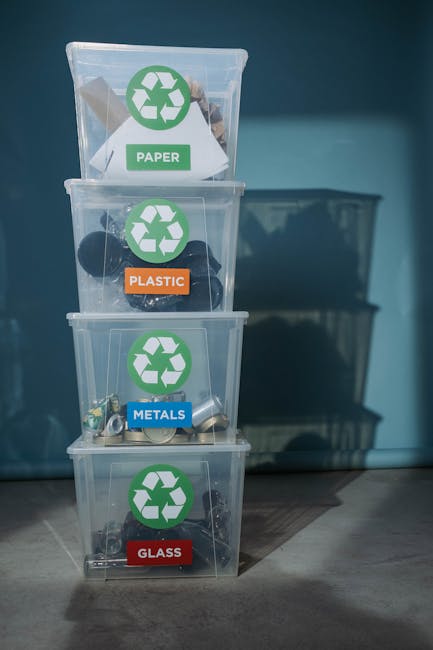
For many households, the easiest way to start is with a room-by-room sort. Put donation-worthy items in one pile, recyclable materials in another, and damaged or contaminated items in a final pile for disposal. It sounds a bit slow at the beginning, then it speeds up. Funny how that works.
If you are dealing with furniture, appliance replacement, or a full household reset, relevant services such as furniture disposal in Lewisham, furniture removal, and white goods and appliance disposal can save time and prevent unsafe lifting.
Donation is not just for pristine items, either. A sturdy bookcase with cosmetic wear may still be useful somewhere, while a slightly tired dining chair set might still be suitable if complete and safe. What matters is whether the receiving organisation can realistically pass it on without spending more time repairing it than it is worth.
Key benefits and practical advantages
When you use Lewisham recycling and donation options for household waste properly, the benefits are both obvious and subtle. The obvious one is less clutter. The subtle one is that your decisions become cleaner and quicker because everything has a category.
Here are the main advantages:
- Less landfill waste because reusable items stay in circulation longer.
- Better use of space in homes where storage is limited.
- Lower stress during clear-outs because you are not making last-minute decisions at the kerb.
- Potential cost savings if fewer items need paid disposal.
- More responsible household habits that make future clearances easier.
For local residents, there is also a convenience angle. Donation and recycling often work best when you plan ahead, but that is not always possible. A family sorting after a move, a tenant leaving a flat, or someone clearing a relative's home may need quick answers. In those cases, a structured approach to reuse and disposal can make a difficult day feel a bit more manageable.
If you want to keep costs in check, it helps to understand pricing drivers before booking anything. This is where resources like cheap Lewisham rubbish removal and pricing considerations can be useful alongside broader guidance on pricing and quotes.
Expert summary: The best results usually come from sorting items before you move them, not after. Separate reusable, recyclable, and unsalvageable items early, and the rest gets noticeably easier.
Who this is for and when it makes sense
This topic matters to a lot of people, not just those doing a full spring clean. If you live in a flat, share a house, manage a rental, or have a small hallway that keeps collecting "stuff that needs sorting," you will probably use these options sooner or later.
It is especially relevant for:
- households replacing furniture or appliances
- tenants clearing before a move-out
- families doing a seasonal clear-out
- people downsizing after a move or life change
- landlords and agents managing end-of-tenancy waste
- anyone trying to avoid unnecessary disposal fees
There are also situations where a donation-first approach is clearly the better option. If you have a working table, decent shelving, or a lamp that still looks presentable, it is usually worth checking whether it can be reused. On the other hand, if an item is damaged, dirty, infested, or no longer safe to use, donation is not appropriate. That sounds obvious, but in the middle of a clear-out people do sometimes persuade themselves otherwise.
For larger jobs, the right choice may be a combined one: donate what you can, recycle what is accepted, and use professional help for the remainder. Services such as domestic waste collection and rubbish collection in Lewisham can be useful when you have mixed household waste and limited time.
Step-by-step guidance
If you want a clean, practical way to handle household waste, use this order. It is simple, but it works.
- Sort everything into categories. Keep reusable, recyclable, and disposable items separate from the start.
- Check condition honestly. Ask whether the item is clean, working, and safe enough for someone else to use.
- Group similar items together. Books with books. Textiles with textiles. Small appliances with small appliances. This saves time later.
- Decide what can be donated. Furniture, usable kitchenware, bedding, toys, and household accessories are often candidates, but only if they are in decent condition.
- Set aside recyclables carefully. Flatten cardboard, rinse containers where appropriate, and keep materials clean.
- Identify bulky or specialist waste. Mattresses, wardrobes, white goods, and awkward mixed items usually need separate handling.
- Book collection or arrange drop-off. If the load is too large or access is awkward, consider a clearance service.
- Keep proof or notes where helpful. For donations and collections, a quick record of what was removed can prevent confusion later.
A realistic example: someone clearing a one-bed flat in Deptford might find a usable dining chair, several boxes of mixed paper, an old toaster, and a broken lamp. The chair can go to donation, the paper can be recycled, the toaster may be recyclable depending on its condition and accepted stream, and the lamp may need disposal if parts are damaged. One room. Four outcomes. That is the whole game, really.
If you are unsure about access, stairs, or timing, it is worth reading about common local issues such as flat access problems and solutions in Deptford or common waste clearance delays and problems before you book anything.
Expert tips for better results
The difference between a smooth clear-out and a frustrating one often comes down to small details. Little things. Labeling, timing, access, condition. Not glamorous, but very real.
- Take the decision-making out of the day itself. Decide what is being donated or recycled before collection day arrives.
- Don't mix clean recyclables with food waste or dirt. Contamination can ruin an entire bag or load.
- Measure awkward items. A wardrobe that looked manageable in the bedroom may not be so friendly at the stairwell.
- Keep donation items together and dry. A damp box of books is not a great donation.
- Prepare appliances properly. Unplug, empty, and clean them where safe to do so.
- Use clear labels. A marker pen and a couple of sacks can save an hour.
Another useful habit is to do a "last look" before anything leaves the property. Once an item is gone, it is gone. That sounds a bit dramatic, but anyone who has accidentally tossed a charger, instruction manual, or family photo will know the feeling. Not ideal.
If your clear-out is tied to a move, a property refresh, or an end-of-tenancy deadline, a bit of planning goes a long way. You may also find it helpful to review common mistakes when booking Lewisham rubbish services so you do not get caught out by access, timing, or item restrictions.
One more thing: if you have a lot of still-useful furniture, don't assume everything should go out for disposal just because it is inconvenient. A sofa with minor wear might be suitable for reuse, while a similar one with structural damage is not. Judgment matters here.
Common mistakes to avoid
Most household waste problems start with good intentions and a rushed finish. The usual mistakes are predictable, which is helpful because they are also fixable.
- Donating broken items. If it is not safe or usable, donation is not the right route.
- Leaving recycling unclean. Greasy containers, mixed materials, and contaminated bags are a nuisance later.
- Assuming all plastics are treated the same. They often are not.
- Forgetting hidden waste. Drawers, cupboards, lofts, and under-bed spaces love hiding extra items.
- Booking too late. If you need a collection by a fixed date, leaving it to the last minute is risky.
- Not separating heavy items early. That is how people end up trying to lift too much at once. Never a good idea.
A related mistake is overlooking the difference between bulky household waste and everyday rubbish. A few bin bags are one thing. A sofa, mattress, fridge, or full house clearance is another. If the job is bigger than expected, look at waste disposal services in Lewisham or broader service options rather than trying to force everything into ordinary household bins.
And yes, the "I'll deal with it next weekend" method is extremely popular. It also tends to fail quietly.
Tools, resources and recommendations
You do not need fancy equipment to manage household recycling and donations well. A few simple tools make a big difference:
- strong reusable bags or sturdy boxes
- marker pens and labels
- a tape measure for bulky items
- rubber gloves for dusty loft or shed sorting
- cleaning wipes or cloths for donation items
- a phone camera for quick item inventory
For bigger clearances, professional support can be worth it simply because it reduces handling time and removes the need for repeat trips. That is especially true if you are dealing with awkward access, stairs, or a lot of mixed waste. In those cases, services such as house clearance, loft clearance, and furniture removal can be a more practical choice than trying to manage everything yourself.
If your household waste includes garden cuttings, broken planters, or outdoor furniture, a dedicated approach is often smarter than mixing it all together. That is where garden waste removal in Lewisham can help keep the job tidy.
For residents who prefer to understand the company side of things before booking, the pages on about us, waste carrier licence and compliance, and recycling and sustainability are useful reading. They help build trust, which frankly matters when strangers are handling your household belongings.
Law, compliance, standards, and best practice
Household waste management in the UK sits inside a wider framework of duty of care, safe handling, and responsible transfer. You do not need to be a legal expert to make good decisions, but you do need to be careful about where waste goes and who handles it.
The main best-practice points are simple:
- use reputable, traceable collection arrangements
- separate reusable items from waste where possible
- avoid leaving items for collection in ways that block access or create hazards
- make sure special items are handled appropriately
- check the condition and intended use of donated goods honestly
If you are using a clearance provider, it is sensible to confirm that their processes are compliant and that they understand responsible disposal routes. That is part of why people often look at waste carrier licence and compliance information before handing over household waste.
There is also a safety angle. Heavy lifting, sharp edges, broken glass, and old appliances can all cause injuries if you rush. If a sofa needs carrying down narrow stairs or a washing machine has to be moved from a cramped kitchen, getting help is often safer than trying to "just do it yourself" with one person holding the door and the other wheezing at the bottom of the steps.
Best practice is not about being perfect. It is about being sensible, traceable, and safe.
Options, methods, and comparison table
Different waste streams need different solutions. Here is a simple comparison to help you choose the right route.
| Option | Best for | Pros | Watch out for |
|---|---|---|---|
| Donation | Clean, usable furniture, household items, and accessories | Extends product life, reduces waste, feels worthwhile | Items must be presentable, safe, and complete |
| Household recycling | Paper, cardboard, glass, metals, textiles, and accepted recyclable containers | Efficient for common materials, usually low effort once sorted | Contamination can reduce recyclability |
| Bulky waste collection | Large household items that are not donation-ready | Useful for sofas, wardrobes, mattresses, and other awkward items | Need to check access, item type, and collection timing |
| Professional clearance | Mixed loads, time-sensitive jobs, difficult access, or bigger clear-outs | Saves time, reduces lifting, handles mixed waste more easily | Choose a compliant provider and understand the scope upfront |
There is no single best option for every household. A studio flat clearing out five items is a different job from a family home doing a long-overdue loft sort. If you are handling a lot of mixed rubbish, a combination approach is often the most realistic one. A few items donated, a few recycled, and the rest collected. Simple enough, although not always tidy in the moment.
Case study or real-world example
Here is a realistic Lewisham scenario. A household in Catford is preparing for a move. They have a metal bed frame, a damaged bedside table, several bags of old paperwork, two boxes of books, a small microwave, and a pair of kitchen chairs that are still structurally fine but look a bit tired.
The best outcome is not to throw everything into one pile. Instead:
- the kitchen chairs are checked for donation suitability
- the books are boxed neatly for reuse or recycling, depending on condition
- paperwork is sorted and securely handled before recycling where appropriate
- the damaged bedside table is set aside for disposal
- the bed frame and microwave are prepared for collection, with appliance handling considered separately if needed
What usually happens next is revealing. Once the donations and recycling are separated, the actual waste load feels much smaller. People are often surprised by that. It is not magic, just better sorting. And less chaos on moving day, which everyone appreciates.
In cases where access is awkward or there is too much to move alone, it can make sense to use a structured collection service. If you want to see how local jobs can be handled in practice, the Lewisham Market shop clearance case study offers a useful sense of how organised clearance work can be approached, even though the setting is different.
Practical checklist
Use this before you decide where each item should go.
- Have I separated donation items from waste?
- Is the item clean, safe, and complete enough to be reused?
- Does the item belong in a recycling stream, or is it mixed material?
- Is it a bulky item that needs special collection?
- Do I know whether the item needs specialist handling, such as an appliance or mattress?
- Have I measured awkward items and checked access routes?
- Have I removed personal documents and anything sensitive?
- Do I have bags or boxes ready for donation and recycling?
- Have I checked the timing, especially if I need the area cleared by a certain date?
- Would a professional clearance service save me time or stress?
If you can answer those questions without shrugging too much, you are probably in good shape.
Get a free quote today and see how much you can save.
Conclusion
Lewisham recycling and donation options for household waste are most useful when you treat them as part of the same process, not separate chores. Donation keeps useful items in circulation. Recycling helps recover materials that still have value. Proper disposal handles the rest safely and efficiently. Once you have a simple sorting routine, the whole job becomes less overwhelming.
And that is really the aim here: not to make waste management feel heroic, just manageable. A bit less clutter, a bit less stress, and a more responsible outcome for the items leaving your home. Good enough is often excellent, honestly.
For more support with mixed household waste, bulky items, or a larger clearance, it can help to compare options and choose the route that fits your space, schedule, and budget. Small steps count. One room at a time, one bag at a time. You will get there.


 Tipper Van - Waste Disposal and Rubbish Disposal Prices in Lewisham, SE13
 Luton Van - Waste Disposal and Rubbish Disposal Prices in Lewisham, SE13