Ladywell estate clearance case study Lewisham before and after
Posted on 17/08/2026
If you are looking at a cluttered Ladywell property and wondering what a proper before-and-after estate clearance actually looks like, you are in the right place. A Ladywell estate clearance case study Lewisham before and after is useful because it shows more than a tidy finish; it shows how a job is planned, sorted, cleared, and made usable again without chaos. In real life, estate clearance is rarely just "remove the junk". There are often rooms packed with mixed belongings, access issues, items to donate, and a tight deadline. This article walks through the process in plain English so you can judge what good clearance looks like, what to expect, and how to avoid the usual headaches.
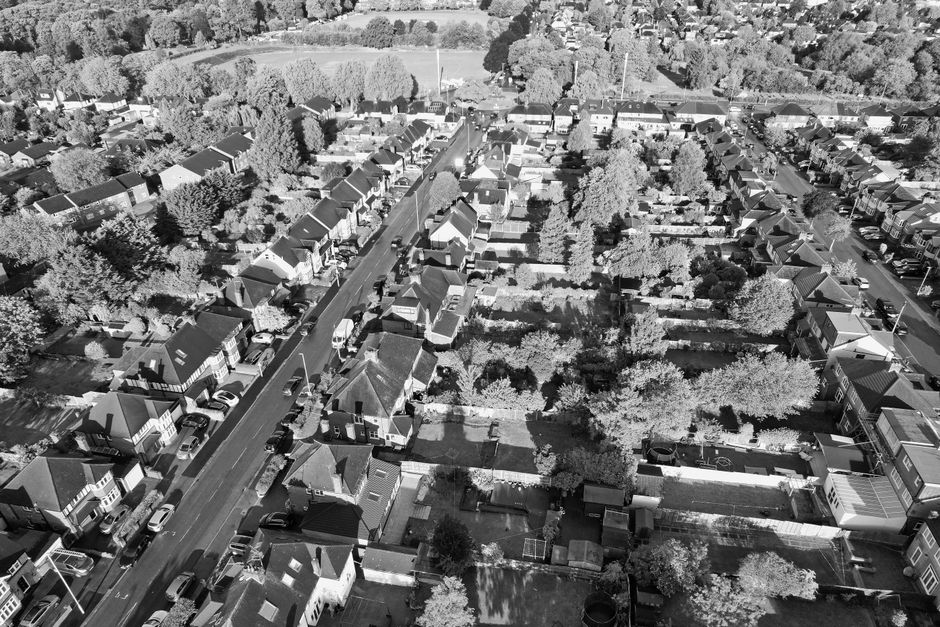
Why Ladywell estate clearance case study Lewisham before and after Matters
Estate clearance can look straightforward from the outside. You see a house, a lot of furniture, and a van. Job done, right? Not quite. A good case study matters because it reveals the moving parts: how long the work takes, how much sorting is needed, what can be reused, and how the property changes once the clearance is complete. In Ladywell, where homes can range from period terraces to compact flats and family properties with lofts or basements, the layout often affects the whole job.
The "before" side tells you what needs to be handled carefully. The "after" side tells you whether the clearance was genuinely useful. Was the space left safe, swept through, and ready for sale, letting, probate, refurbishment, or new occupancy? That difference matters a lot. A rushed clearance can leave behind hidden waste, damage to hallways, or awkward items that nobody wants to deal with later. A well-run clearance, by contrast, reduces stress and gives you a clean reset.
Truth be told, the real value of a case study is decision-making. You can look at a similar property, a similar access route, and a similar volume of contents, then estimate what your own project might involve. That is much more helpful than vague promises. If you are also comparing broader clearance options, the service pages for house clearance in Lewisham and general waste clearance give a useful sense of the kinds of jobs typically covered.
For local context, it can also help to read more about the area itself through a local's perspective on life in Lewisham and local insights on living in Lewisham. Small detail, maybe, but local knowledge often shapes what clearance teams need to plan for.
How Ladywell estate clearance case study Lewisham before and after Works
A solid estate clearance follows a sequence. It starts with viewing the property or gathering enough information to estimate the work. Then comes planning: deciding what stays, what goes, what may be donated, and what needs specialist handling. After that, the clearance team removes the agreed items, loads them safely, and leaves the space in a clean and workable condition.
The before-and-after effect is usually driven by three things. First, sorting. Estate clearances often contain mixed contents, so the team has to separate recyclable, reusable, and non-reusable items. Second, access. Ladywell streets, stairwells, narrow entrances, and resident parking can all affect how quickly things come out. Third, the end goal. A property being emptied for sale may need a different finish from one being cleared after a tenant move-out or family probate process.
Here is the simple version: the "before" stage is about assessment and respect. The "after" stage is about order, safety, and readiness. If you want a broader picture of how these jobs fit into the wider service mix, it may help to look at the services overview and, where needed, specialised pages such as furniture removal or furniture disposal.
There is also a planning angle. If the property includes bulky items, appliances, or garden waste, the clearance may need a combination of services rather than a single collection. A mixed-content estate clearance is common. It is not messy, it is just life.
Key Benefits and Practical Advantages
The obvious benefit is a cleared property. But a really good estate clearance offers a lot more than an empty room. It can save time, reduce emotional strain, and make the next step much easier, whether that next step is valuation, refurbishment, or handover.
- Faster turnaround: A planned clearance can compress a job that might otherwise stretch over days or weeks.
- Less emotional friction: This matters especially in probate or family situations, where every object seems to carry a story.
- Better sorting outcomes: Reusable furniture, appliances, and household items may be separated from general waste.
- Cleaner final presentation: The after state is not just "empty"; it is usually swept through and ready for the next stage.
- Lower risk of accidental damage: Good handling reduces scuffs, breakages, and hallway issues.
There is also a practical financial angle. If you are working to a budget, a well-organised clearance can avoid repeat callouts and unnecessary labour. For cost-conscious readers, it is worth reviewing what to know about cheap Lewisham rubbish removal pricing before booking anything that looks too good to be true. Cheap and sensible are not always the same thing.
And yes, a tidy after photo is satisfying. Almost annoyingly satisfying, if we are honest.
Who This Is For and When It Makes Sense
Estate clearance in Ladywell is not just for probate solicitors or landlords. It is for anyone facing a property that needs a proper reset. That might be a family home after a bereavement, a flat being prepared for sale, or a property that has simply accumulated too much over time. Let's face it, clutter grows quietly. One spare room becomes a storage room, then a "temporary" storage room, and before long the whole place feels heavier.
This kind of clearance makes sense when:
- you need the property emptied before sale or letting
- you are dealing with probate or family transitions
- the contents are too much for standard bulky waste collection
- the home includes a loft, shed, basement, or outbuilding full of mixed items
- you need a fast, managed clearance rather than doing it yourself over several weekends
It is also relevant for landlords, property managers, and executors who need reliable outcomes and clear communication. If you want a local example of how clearance ties into property preparation, take a look at optimal real estate in Lewisham and Lewisham property deals. A clean property can make a bigger difference than people expect.
One small but important note: if access is tight, stairs are narrow, or parking is awkward, tell the clearance team early. It saves everyone time, and probably a few sore shoulders too.
Step-by-Step Guidance
If you want the job to go smoothly, the process helps more than enthusiasm does. Here is the practical sequence we would recommend.
- Walk through the property and identify what must stay. This may sound obvious, but mix-ups happen when people are rushing. Label rooms if needed.
- Separate valuables and personal paperwork first. Old envelopes, photographs, cards, keys, and documents should be removed before anything else is touched.
- Decide what can be reused, donated, recycled, or disposed of. This keeps the clearance focused and prevents unnecessary waste.
- Flag heavy items and awkward access points. Stairs, tight corners, shared entrances, and long carries all affect planning.
- Book a suitable clearance method. A full estate clearance, furniture removal, or rubbish collection may each fit different needs.
- Confirm safety and timing details. This is especially helpful if neighbours, building managers, or parking restrictions are involved.
- Carry out the clearance and final sweep-through. The best before-and-after results come from finishing properly, not just removing the obvious items.
If the property contains construction debris as well as household contents, you may need a mixed approach that includes builders waste disposal. And if the main issue is simply accumulated household rubbish, domestic waste collection or rubbish collection may be the cleaner fit.
One practical habit helps more than people realise: take a few photos before the work starts. Not for social media, obviously. Just for records, clarity, and peace of mind. The morning light through dusty windows tells its own story.
Expert Tips for Better Results
There are a few things experienced clearance teams look for straight away, and they are worth copying. First, don't wait until the last minute to sort the "keep" pile. That is how sentimental items get thrown into general loading bags by mistake. Second, ask how the team handles recycling and reuse. A good operator should have a clear process for separating items rather than treating everything as one mixed load.
Third, keep pathways open. It sounds tiny, but one blocked hallway can slow a whole clearance. If you can move loose boxes, coat racks, and floor clutter out of the way before the team arrives, things tend to go more smoothly. Fourth, be realistic about time. A cluttered estate is rarely a one-hour tidy-up. Better to plan properly than to pretend it will all vanish in a blink.
We also suggest checking the provider's approach to safety and licensing before you book. If a company is vague about how it handles waste, that is a warning sign. You can compare practical reassurance with the information on insurance and safety and waste carrier licence and compliance. Good paperwork is not glamorous, but it matters.
Finally, think in stages if the job is large. Clear the obvious items first, then deal with the awkward bits. It is a lot easier to make decisions once the room starts breathing again.

Common Mistakes to Avoid
A lot of clearance problems come from assumptions. People assume the team can guess what stays. They assume access is fine. They assume all waste can go in one pile. Those assumptions are how jobs get delayed.
- Leaving personal items mixed in with waste: Photos, documents, and keepsakes should be removed early.
- Not declaring access issues: Narrow stairs, no lift, parking restrictions, and garden entry points all affect planning.
- Choosing the wrong service type: A full house clearance is not the same as a one-off furniture disposal job.
- Forgetting about disposal rules for certain items: Appliances, upholstered items, and electricals can need separate handling.
- Assuming every item has no reuse value: Some furniture and household goods may be suitable for donation or recycling.
One other mistake is underestimating local delays. Lewisham properties, especially in busier pockets, can face access and timing quirks that slow things down. If you want to understand those recurring issues before booking, read Lewisham waste clearance delays and common problems to expect. That piece pairs well with this one.
And for the love of sanity, don't leave one wardrobe full of "maybe later" decisions at the end. Later usually becomes next month.
Tools, Resources and Recommendations
You do not need a mountain of gear for a clearance, but a few simple tools and resources help. Strong bin bags, gloves, labels or masking tape, a marker pen, and a notepad are the basics. If you are sorting items room by room, coloured stickers can make life much easier. One colour for keep, one for donate, one for dispose. Very low-tech, very effective.
For bigger projects, a simple room checklist is surprisingly useful. It stops the same room being checked twice while another one gets missed entirely. If you are coordinating with relatives, landlords, or solicitors, a shared list can keep everyone aligned without endless messages.
On the service side, these pages may help you match the right solution to the job:
- house clearance for full-property emptying
- loft clearance for storage spaces and hard-to-reach items
- office clearance if the property is mixed-use or business-related
- furniture removal for larger standalone items
- white goods and appliance disposal for fridges, washers, and similar items
If recycling and reuse matter to you, the page on recycling and sustainability is worth a look. That is especially relevant when the property has usable furniture, books, or mixed household contents that should not just be thrown away if they can be given another life.
Law, Compliance, Standards, or Best Practice
Clearance work is not only about speed. It should be handled legally and responsibly. In the UK, that means using a waste carrier who is properly registered for the type of work being carried out, following safe loading practices, and dealing with waste through legitimate routes. You do not need to memorise the legal fine print to make a sensible decision, but you do need to avoid casual, undocumented disposal.
Best practice also includes keeping clear agreements about what is included in the job, what items may require additional handling, and whether there are any access or parking limitations. If the property contains hazardous or awkward materials, those should be identified early so they can be managed properly. No one wants surprises halfway down the stairs.
Where a clearance involves mixed waste, donation candidates, or recyclable goods, a careful sorting process is better than a "load it all and go" approach. That is both cleaner and more defensible. It also reduces the risk of disputes later, which is one of those things people only think about after they've had a bad experience. If you want a broader view of the company's standards, the pages on about us and services overview offer useful context.
Privacy and payment handling matter too, especially when you are booking on behalf of a family estate or a rented property. For that, the pages on payment and security, privacy policy, cookie policy, and terms and conditions provide the kind of trust signals careful readers look for.
Options, Methods, or Comparison Table
Not every Ladywell clearance needs the same method. The best choice depends on volume, access, item type, and urgency. Here is a simple comparison.
| Method | Best for | Strengths | Potential drawbacks |
|---|---|---|---|
| Full estate clearance | Large homes, probate, complete emptying | Thorough, efficient, good for mixed contents | Needs clear instructions and more planning |
| Furniture removal | Bulky standalone items or partial rooms | Simple, focused, often faster | Not ideal for full-property jobs |
| Rubbish collection | Smaller mixed waste clear-outs | Flexible and practical for general clutter | Can be too limited for larger estates |
| Specialist disposal | Appliances, builders waste, garden material | Handles specific waste streams better | May need several services if the property is mixed |
There is no universal winner here. A probate flat with a few heavy items may only need furniture removal and rubbish collection. A long-empty family home with a loft, shed, and old appliances is more likely to need a full estate clearance. Simple enough, but worth getting right.
If you are trying to understand which service fits your situation, the page on waste disposal in Lewisham can help frame the wider picture. Sometimes the best solution is a combination, not a single label.
Case Study or Real-World Example
Here is a realistic Ladywell-style example drawn from the kind of work often seen in the area. A property had been left with a mix of old bedroom furniture, boxed household items, a few white goods, and miscellaneous bags stored across two floors and a loft. The rooms were still accessible, but only just. The hallway was tight, the stairs were awkward, and the loft hatch made the upper storage space a little fiddly. Classic London home stuff, really.
Before: The property felt crowded and difficult to assess. The main rooms had no clear walking route, and several items were too bulky for the owner to shift alone. The loft contained more mixed contents than expected, and the client wanted the place cleared for sale preparation.
What changed during the clearance: Items were sorted into keep, remove, and recycle groups. Furniture suitable for removal went first. White goods were separated for appropriate disposal. The loft was handled after the easier rooms were cleared so the team could work more safely and with less obstruction. That order matters. It is not flashy, but it works.
After: The rooms were open, floors were visible again, and the property could be measured, photographed, and prepared for its next stage. The biggest difference was not only visual. The whole place felt manageable again. That is the bit clients usually care about once the dust settles.
This kind of result is closely related to other local clearance experiences, including a Lewisham market shop clearance case study, which shows how different property types still follow the same underlying principles: assess, sort, remove, finish properly.
It is also worth comparing this with a more access-sensitive job like Deptford flat rubbish removal access problems and solutions. Different area, similar lessons. Access can make or break the day.
Practical Checklist
Use this checklist before booking or starting a Ladywell estate clearance.
- Identify the rooms and spaces to be cleared
- Remove valuables, documents, and sentimental items first
- Note any appliances, heavy furniture, or awkward items
- Check access: stairs, lift, parking, gates, and narrow hallways
- Decide whether you need full clearance or a partial service
- Set aside anything for donation, recycling, or reuse
- Confirm time windows and any building restrictions
- Ask about insurance and licensing
- Clarify what the final finish will include
- Take before photos for records
If the property has bulky items that local collection rules may affect, it can be useful to read Lewisham Council bulky waste rules and permit guide. For households that want to reuse more and waste less, Lewisham recycling and donation options for household waste is a sensible companion read.
Small checklist, big difference. The difference between calm and scramble, sometimes.
Get a free quote today and see how much you can save.
Conclusion
A Ladywell estate clearance case study Lewisham before and after is useful because it shows the whole journey, not just the end result. The real value lies in the planning, the careful sorting, the attention to access, and the clean finish that leaves a property ready for whatever comes next. If you are handling a family home, a rental, or a sale preparation, the best clearance outcome is the one that feels controlled, respectful, and complete.
In practice, the strongest results usually come from good communication and a realistic plan. No drama, no mess, no guesswork. Just a properly handled clearance and a space that can breathe again. And honestly, that can feel like a relief in itself.
If you are weighing up your next step, start with the scope of the property, then match the service to the job. The rest becomes much easier once that first decision is clear.


 Tipper Van - Waste Disposal and Rubbish Disposal Prices in Lewisham, SE13
 Luton Van - Waste Disposal and Rubbish Disposal Prices in Lewisham, SE13